Wednesday, 21 January 2026 00:00

Ingrown toenails can be painful and can make wearing shoes or walking uncomfortable. Seek professional help if you believe you've developed an ingrown toenail and be treated safely. 

Tuesday, 20 January 2026 00:00

Ingrown toenails are a frequent foot issue where the edge of a toenail grows into the surrounding skin, most often affecting the big toe. The area may look red or shiny, and in more advanced cases there may be drainage, infection, or overgrown skin along the nail border. It often feels sore at first, then progresses to sharp pain, throbbing, and discomfort when walking or wearing shoes. Causes include improper nail trimming, tight or narrow footwear, and genetic factors. A podiatrist can help from the start by accurately diagnosing the condition and determining whether infection is present. Treatment options include proper nail care, reducing inflammation, and relieving pressure. In-office procedures may be employed to remove the ingrown portion of the nail, followed by preventive guidance and long-term solutions in more severe cases. Prompt care helps relieve pain and prevent complications. If you have a painful ingrown toenail, it is suggested that you make an appointment with a podiatrist.

Ingrown toenails may initially present themselves as a minor discomfort, but they may progress into an infection in the skin without proper treatment. For more information about ingrown toenails, contact one of our podiatrists of The Sun Healthcare & Surgery Group. Our doctors can provide the care you need to keep you pain-free and on your feet.

Ingrown Toenails

Ingrown toenails are caused when the corner or side of a toenail grows into the soft flesh surrounding it. They often result in redness, swelling, pain, and in some cases, infection. This condition typically affects the big toe and may recur if it is not treated properly.

Causes

  • Improper toenail trimming
  • Genetics
  • Improper shoe fitting
  • Injury from pedicures or nail picking
  • Abnormal gait
  • Poor hygiene

You are more likely to develop an ingrown toenail if you are obese, have diabetes, arthritis, or have any fungal infection in your nails. Additionally, people who have foot or toe deformities are at a higher risk of developing an ingrown toenail.

Symptoms

Some symptoms of ingrown toenails are redness, swelling, and pain. In rare cases, there may be a yellowish drainage coming from the nail.

Treatment

Ignoring an ingrown toenail can have serious complications. Infections of the nail border can progress to a deeper soft-tissue infection, which can then turn into a bone infection. You should always speak with your podiatrist if you suspect you have an ingrown toenail, especially if you have diabetes or poor circulation.

If you have any questions, please feel free to contact our offices located in Antioch, Martinez, and Concord, CA . We offer the newest diagnostic and treatment technologies for all your foot care needs.

Read more about Ingrown Toenail Care
Tuesday, 13 January 2026 00:00

Bunion surgery is used to correct a painful bony bump that forms at the base of the big toe and interferes with normal foot alignment. Several types of bunion surgery exist depending on severity and joint condition. An exostectomy involves removing the enlarged bone to reduce pressure and irritation. An osteotomy corrects the deformity by cutting and realigning the bone to restore proper positioning, and arthrodesis, used for more advanced cases, involves fusing the joint to relieve pain and improve stability. Each approach is selected to reduce discomfort and improve function. A podiatrist evaluates foot structure, symptoms, and lifestyle needs to determine the most appropriate surgical or nonsurgical care. If bunion pain is limiting walking or daily activities, it is suggested that you schedule a consultation with a podiatrist to explore treatment options and steps toward lasting foot relief.

Foot surgery is sometimes necessary to treat a foot ailment. To learn more, contact one of our podiatrists of The Sun Healthcare & Surgery Group. Our doctors will assist you with all of your foot and ankle needs.

When Is Surgery Necessary?

Foot and ankle surgery is generally reserved for cases in which less invasive, conservative procedures have failed to alleviate the problem. Some of the cases in which surgery may be necessary include:

  • Removing foot deformities like bunions and bone spurs
  • Severe arthritis that has caused bone issues
  • Cosmetic reconstruction

What Types of Surgery Are There?

The type of surgery you receive will depend on the nature of the problem you have. Some of the possible surgeries include:

  • Bunionectomy for painful bunions
  • Surgical fusion for realignment of bones
  • Neuropathy decompression surgery to treat nerve damage

Benefits of Surgery

Although surgery is usually a last resort, it can provide more complete pain relief compared to non-surgical methods and may allow you to finally resume full activity.

Surgical techniques have also become increasingly sophisticated. Techniques like endoscopic surgery allow for smaller incisions and faster recovery times.

If you have any questions, please feel free to contact our offices located in Antioch, Martinez, and Concord, CA . We offer the newest diagnostic and treatment technologies for all your foot care needs.
Read more about Foot Surgery
Tuesday, 06 January 2026 00:00

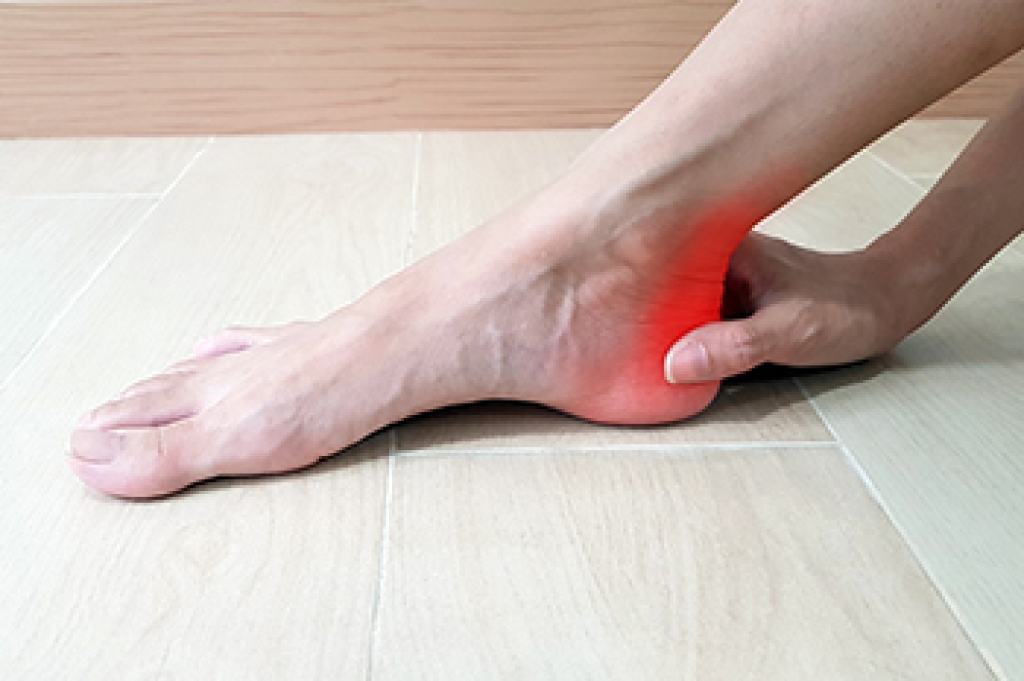
Bursitis of the heel occurs when a small fluid filled sac near the Achilles tendon becomes irritated, often from pressure, repetitive rubbing, or increased activity. This irritation can cause a deep ache at the back of the heel, along with swelling, warmth, or tenderness when wearing shoes with a stiff heel counter. Some people feel sharper pain when rising onto the toes or after long periods of standing. Rest and changes in footwear may ease the discomfort, but persistent symptoms often need more directed care. A podiatrist can examine the area to confirm the source of the pain, recommend supportive shoes or padding, and offer treatments that reduce inflammation. In some cases, imaging or targeted therapies may be used to calm the irritated tissue. If your heel pain continues to interfere with daily comfort, it is suggested that you see a podiatrist for effective relief and treatment solutions.

Many people suffer from bouts of heel pain. For more information, contact one of our podiatrists of The Sun Healthcare & Surgery Group. Our doctors can provide the care you need to keep you pain-free and on your feet.

Causes of Heel Pain

Heel pain is often associated with plantar fasciitis. The plantar fascia is a band of tissues that extends along the bottom of the foot. A rip or tear in this ligament can cause inflammation of the tissue.

Achilles tendonitis is another cause of heel pain. Inflammation of the Achilles tendon will cause pain from fractures and muscle tearing. Lack of flexibility is also another symptom.

Heel spurs are another cause of pain. When the tissues of the plantar fascia undergo a great deal of stress, it can lead to ligament separation from the heel bone, causing heel spurs.

Why Might Heel Pain Occur?

  • Wearing ill-fitting shoes                
  • Wearing non-supportive shoes
  • Weight change           
  • Excessive running

Treatments

Heel pain should be treated as soon as possible for immediate results. Keeping your feet in a stress-free environment will help. If you suffer from Achilles tendonitis or plantar fasciitis, applying ice will reduce the swelling. Stretching before an exercise like running will help the muscles. Using all these tips will help make heel pain a condition of the past.

If you have any questions, please feel free to contact our offices located in Antioch, Martinez, and Concord, CA . We offer the newest diagnostic and treatment technologies for all your foot care needs.

Read more about Heel Pain

Connect With Us