Items filtered by date: February 2025
Are Both Running and Walking Shoes Needed?
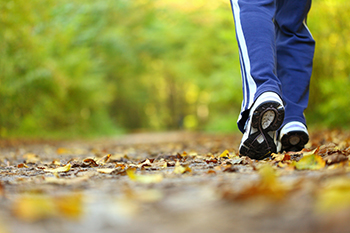
Walking shoes and running shoes are designed for different activities, offering unique features to optimize comfort and performance. Walking shoes are generally more flexible, with a cushioned sole that supports the natural rolling motion of the foot during walking. They provide stability and are ideal for low-impact activities. Running shoes have more substantial cushioning, shock absorption, and added support to handle the repetitive high-impact force of running. Running shoes also tend to be lighter and offer more flexibility in the forefoot for better toe-off. While it is possible to use one pair for both activities, having shoes designed specifically for each can enhance comfort, prevent injuries, and improve performance. Therefore, having both walking and running shoes is beneficial for those who regularly engage in both activities. If you have developed foot pain from wearing the wrong shoes while walking or running, it is suggested that you consult a podiatrist who can help you find relief tips, and guide you on the correct shoes to wear for your desired activity.
For more information about walking shoes versus running shoes, consult with one of our podiatrists from The Sun Healthcare & Surgery Group. Our doctors can measure your feet to determine what your needs are and help you find an appropriate pair of footwear.
Foot Health: The Differences between Walking & Running Shoes
There are great ways to stay in shape: running and walking are two great exercises to a healthy lifestyle. It is important to know that running shoes and walking shoes are not interchangeable. There is a key difference on how the feet hit the ground when someone is running or walking. This is why one should be aware that a shoe is designed differently for each activity.
You may be asking yourself what the real differences are between walking and running shoes and the answers may shock you.
Differences
Walking doesn’t involve as much stress or impact on the feet as running does. However, this doesn’t mean that you should be any less prepared. When you’re walking, you land on your heels and have your foot roll forward. This rolling motion requires additional support to the feet.
Flexibility – Walking shoes are designed to have soft, flexible soles. This allows the walker to push off easily with each step.
If you have any questions, please feel free to contact our offices located in Antioch, Martinez, and Concord, CA . We offer the newest diagnostic and treatment technologies for all your foot care needs.
Plantar Warts Can Be Treated!

Plantar warts are small growths that develop on parts of the feet that bear weight. They're typically found on the bottom of the foot. Don't live with plantar warts, and call us today!
Symptoms of Gout
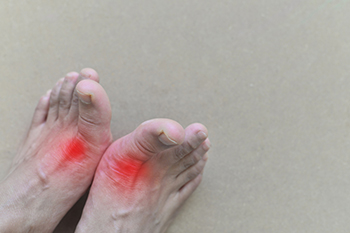
Gout is a form of arthritis that occurs when uric acid builds up in the bloodstream, forming crystals in the joints. It often affects the big toe but can also impact the ankles and other joints. Gout is more common in men, especially those over 40, and people with conditions like obesity, high blood pressure, or diabetes are at a higher risk. Symptoms of gout include sudden, intense pain, swelling, redness, and warmth in the affected joint, often occurring at night. The pain can be excruciating, and even the lightest touch can feel unbearable. Gout attacks typically last for a few days but can recur if untreated. Treatment involves medications to reduce inflammation and lower uric acid levels. Lifestyle changes, such as avoiding alcohol and foods high in purines, are also recommended. A podiatrist can help manage gout symptoms, offer pain relief strategies, and provide advice on footwear. If you are experiencing this condition, it is suggested that you make an appointment with a this type of doctor.
Gout is a painful condition that can be treated. If you are seeking treatment, contact one of our podiatrists from The Sun Healthcare & Surgery Group. Our doctors will treat your foot and ankle needs.
What Is Gout?
Gout is a form of arthritis that is characterized by sudden, severe attacks of pain, redness, and tenderness in the joints. The condition usually affects the joint at the base of the big toe. A gout attack can occur at any random time, such as the middle of the night while you are asleep.
Symptoms
- Intense Joint Pain - Usually around the large joint of your big toe, and it most severe within the first four to twelve hours
- Lingering Discomfort - Joint discomfort may last from a few days to a few weeks
- Inflammation and Redness -Affected joints may become swollen, tender, warm and red
- Limited Range of Motion - May experience a decrease in joint mobility
Risk Factors
- Genetics - If family members have gout, you’re more likely to have it
- Medications - Diuretic medications can raise uric acid levels
- Gender/Age - Gout is more common in men until the age of 60. It is believed that estrogen protects women until that point
- Diet - Eating red meat and shellfish increases your risk
- Alcohol - Having more than two alcoholic drinks per day increases your risk
- Obesity - Obese people are at a higher risk for gout
Prior to visiting your podiatrist to receive treatment for gout, there are a few things you should do beforehand. If you have gout you should write down your symptoms--including when they started and how often you experience them, important medical information you may have, and any questions you may have. Writing down these three things will help your podiatrist in assessing your specific situation so that he or she may provide the best route of treatment for you.
If you have any questions, please feel free to contact our offices located in Antioch, Martinez, and Concord, CA . We offer the newest diagnostic and treatment technologies for all your foot care needs.
Preserving Mobility and Health With Lower Limb Salvage
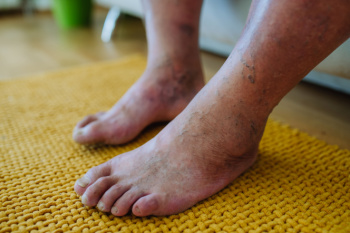
Lower limb salvage focuses on saving an at-risk leg or foot from limb loss due to severe injuries, infections, or complications from conditions like diabetes or peripheral artery disease. The goal is to restore functionality, preserve mobility, and improve quality of life while minimizing pain and complications. This task requires a multidisciplinary approach and often involves advanced techniques such as wound debridement, skin grafts, vascular procedures, and reconstructive surgery. Custom orthotics, braces, or special footwear may also be used to offload pressure and prevent further damage. Early intervention is critical, as untreated infections or poor circulation can escalate quickly. Lower limb salvage is a highly personalized process that considers each patient’s unique circumstances, focusing on long-term outcomes and independence. If you or a loved one are at risk, it is suggested that you include a podiatrist on your medical team to explore the best treatment options for preserving limb health and mobility.
Diabetic Limb Salvage
Diabetic limb salvage can be an effective way in preventing the need for limb amputation. If you have a foot ulcer and diabetes, consult with one of our podiatrists from The Sun Healthcare & Surgery Group. Our doctors will assess your condition and provide you with quality foot and ankle treatment.
What Is Diabetic Limb Salvage?
Diabetic limb salvage is the attempt of saving a limb, such as the foot, that has an infected ulcer, from amputation. Podiatrists also try to make sure that there is enough function in the foot after the salvage that it is still usable. Those with diabetes experience poor blood circulation, which prevents proper healing of an ulcer. If the ulcer is left uncheck, it could become infected, which could result in the need for amputation.
Diabetes is the number one cause of non-traumatic amputations in the United States. Amputation has been found to lead to higher mortality rates. This translates into higher healthcare costs, and a reduced quality of life and mobility for amputees. Podiatrists have attempted to increase the prevalence of limb salvage in an attempt to solve these issues.
Diagnosis and Treatment
Limb salvage teams have grown in recent years that utilize a number of different treatments to save the infected limb. This includes podiatrists that specialize in wound care, rehabilitation, orthotics, and surgery. Through a combination of these methods, limb salvage has been found to be an effective treatment for infected limbs, and as an alternative to amputation. Podiatrists will first evaluate the potential for limb salvage and determine if the limb can be saved or must be amputated.
If you have any questions, please feel free to contact our offices located in Antioch, Martinez, and Concord, CA . We offer the newest diagnostic and treatment technologies for all your foot care needs.
Common Running Foot Injuries and Relief Tactics

Running can lead to a variety of foot injuries, with some of the most common being plantar fasciitis, metatarsalgia, toenail damage, and peroneal tendonitis. Plantar fasciitis occurs when the tissue on the bottom of the foot becomes inflamed, often causing heel pain, especially in the morning. Metatarsalgia refers to pain in the ball of the foot, typically from excessive pressure or improper footwear. Toenail damage, such as bruising or loss, can result from tight shoes or repeated trauma during long runs. Peroneal tendonitis affects the tendons along the outside of the ankle and foot, leading to pain and swelling. To relieve these injuries, runners can benefit from rest, proper footwear, and targeted stretching exercises, in addition to gradually increasing mileage to allow the body time to heal. If you have sustained foot or ankle injuries from running, it is suggested that you contact a podiatrist who can offer effective relief tips, and guide on additional injury prevention methods.
Foot Pain
Foot pain can be extremely painful and debilitating. If you have a foot pain, consult with one of our podiatrists from The Sun Healthcare & Surgery Group. Our doctors will assess your condition and provide you with quality foot and ankle treatment.
Causes
Foot pain is a very broad condition that could be caused by one or more ailments. The most common include:
- Bunions
- Hammertoes
- Plantar Fasciitis
- Bone Spurs
- Corns
- Tarsal Tunnel Syndrome
- Ingrown Toenails
- Arthritis (such as Gout, Rheumatoid, and Osteoarthritis)
- Flat Feet
- Injury (from stress fractures, broken toe, foot, ankle, Achilles tendon ruptures, and sprains)
- And more
Diagnosis
To figure out the cause of foot pain, podiatrists utilize several different methods. This can range from simple visual inspections and sensation tests to X-rays and MRI scans. Prior medical history, family medical history, and any recent physical traumatic events will all be taken into consideration for a proper diagnosis.
Treatment
Treatment depends upon the cause of the foot pain. Whether it is resting, staying off the foot, or having surgery; podiatrists have a number of treatment options available for foot pain.
If you have any questions, please feel free to contact our offices located in Antioch, Martinez, and Concord, CA . We offer the newest diagnostic and treatment technologies for all your foot care needs.


