
Negative Affects of Wearing High Heels

Wearing high heels changes the way the body stands and walks. The raised heel pushes body weight forward onto the ball of the foot, which can lead to bunions, hammertoes, and burning pain under the toes. Because the foot is held at an angle, the ankle becomes less stable, and the calf muscles gradually tighten. This makes walking less natural and can cause ankle sprains. Over time, the knees, hips, and lower back compensate for this altered posture, which can lead to aching legs and back discomfort after only a short period of standing or walking. A podiatrist can examine foot alignment, identify pressure points, and determine whether structural changes have developed. Treatment options include custom orthotics, protective padding, and professional care for irritated joints, nerves, or deformities caused by prolonged wearing of high-heeled shoes. If you have foot pain after wearing high heels, it is suggested that you make an appointment with a podiatrist for an exam, diagnosis, and treatment.

High heels have a history of causing foot and ankle problems. If you have any concerns about your feet or ankles, contact one of our podiatrists from The Sun Healthcare & Surgery Group. Our doctors can provide the care you need to keep you pain-free and on your feet.

Effects of High Heels on the Feet

High heels are popular shoes among women because of their many styles and societal appeal.  Despite this, high heels can still cause many health problems if worn too frequently.

Which Parts of My Body Will Be Affected by High Heels?

  • Ankle Joints
  • Achilles Tendon – May shorten and stiffen with prolonged wear
  • Balls of the Feet
  • Knees – Heels cause the knees to bend constantly, creating stress on them
  • Back – They decrease the spine’s ability to absorb shock, which may lead to back pain.  The vertebrae of the lower back may compress.

What Kinds of Foot Problems Can Develop from Wearing High Heels?

  • Corns
  • Calluses
  • Hammertoe
  • Bunions
  • Morton’s Neuroma
  • Plantar Fasciitis

How Can I Still Wear High Heels and Maintain Foot Health?

If you want to wear high heeled shoes, make sure that you are not wearing them every day, as this will help prevent long term physical problems.  Try wearing thicker heels as opposed to stilettos to distribute weight more evenly across the feet.  Always make sure you are wearing the proper shoes for the right occasion, such as sneakers for exercising.  If you walk to work, try carrying your heels with you and changing into them once you arrive at work.  Adding inserts to your heels can help cushion your feet and absorb shock. Full foot inserts or metatarsal pads are available. 

If you have any questions, please feel free to contact our offices located in Antioch, Martinez, and Concord, CA . We offer the newest diagnostic and treatment technologies for all your foot care needs.

Read more about Why High Heels Are Not Ideal for Healthy Feet

Heel Pain in the Morning?

Heel pain can negatively affect your day-to-day life. Simple activities like walking can become incredibly uncomfortable or painful due to heel pain.

Don’t live with heel pain and get treated.

Foot Bone Coordination in Ballet and Podiatric Support

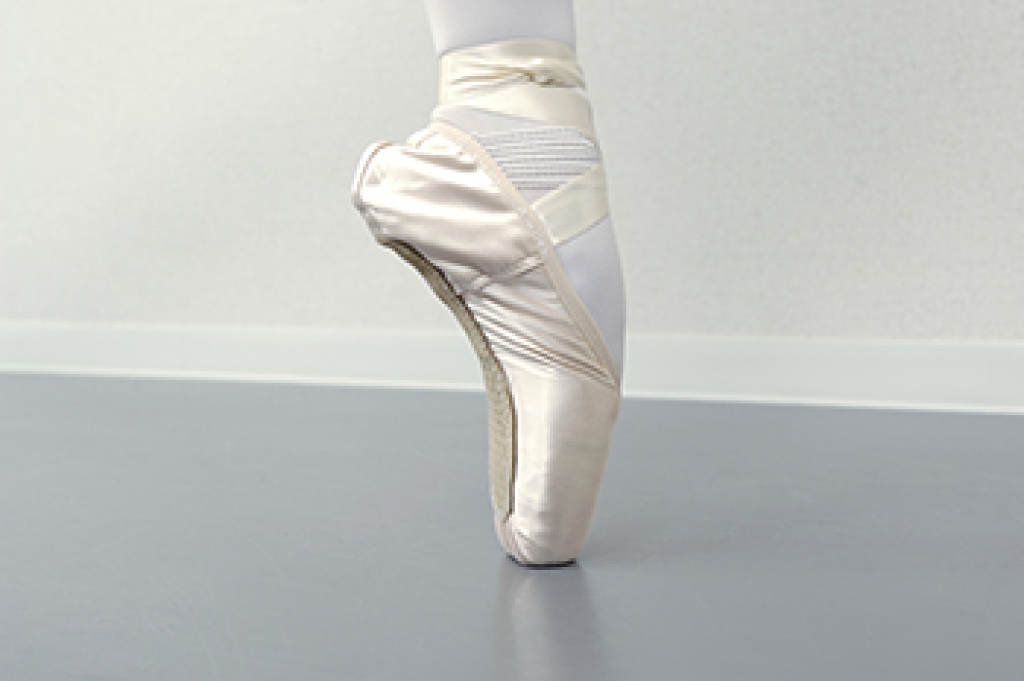
In ballet, the bones of the foot work together to create strength, grace and precise control. Proper alignment allows dancers to move smoothly while maintaining balance and stability. In first position, the feet turn outward from the hips with the heels close together, creating a stable base that requires even weight distribution through the foot bones. In second position, the feet remain turned outward, but are spaced apart increasing the base of support and allowing greater balance, movement and freedom. These positions rely on coordinated function of the bones, joints, and muscles to manage space and control body weight. A podiatrist can help dancers by evaluating foot mechanics, addressing pain, and preventing injury through supportive care. If foot discomfort affects your dancing, it is suggested that you consult a podiatrist who can provide effective relief techniques, enabling you to dance freely again. 

If you have any concerns about your feet, contact one of our podiatrists from The Sun Healthcare & Surgery Group. Our doctors can provide the care you need to keep you pain-free and on your feet.

Biomechanics in Podiatry

Podiatric biomechanics is a particular sector of specialty podiatry with licensed practitioners who are trained to diagnose and treat conditions affecting the foot, ankle and lower leg. Biomechanics deals with the forces that act against the body, causing an interference with the biological structures. It focuses on the movement of the ankle, the foot and the forces that interact with them.

A History of Biomechanics

  • Biomechanics dates back to the BC era in Egypt where evidence of professional foot care has been recorded.
  • In 1974, biomechanics gained a higher profile from the studies of Merton Root, who claimed that by changing or controlling the forces between the ankle and the foot, corrections or conditions could be implemented to gain strength and coordination in the area.

Modern technological improvements are based on past theories and therapeutic processes that provide a better understanding of podiatric concepts for biomechanics. Computers can provide accurate information about the forces and patterns of the feet and lower legs.

Understanding biomechanics of the feet can help improve and eliminate pain, stopping further stress to the foot.

If you have any questions please feel free to contact our offices located in Antioch, Martinez, and Concord, CA . We offer the newest diagnostic and treatment technologies for all your foot and ankle needs.

Read more about Biomechanics in Podiatry

When an Ankle Injury Is More Than a Twist

Ankle injuries are common, and it can be difficult to tell the difference between a sprain and a fracture without proper evaluation. Both often occur after a fall, misstep, or sudden twist and can cause immediate pain, swelling, and difficulty bearing weight. A sprained ankle involves stretched or torn ligaments, while a broken ankle affects one or more bones. Symptoms may include bruising, stiffness, and instability along with swelling, tenderness, limited motion. The ankle may look puffy or misshapen and it can feel sharp, throbbing, or weak, especially during movement. Causes range from sports injuries to uneven surfaces or simple accidents. A podiatrist can help by performing a detailed examination and ordering imaging to accurately diagnose the injury and rule out fractures. Treatment may begin with immobilization, rest, and supportive devices, and can progress to targeted exercises, bracing, or surgical care depending on severity. If you have an ankle injury, it is suggested that you make an appointment with a podiatrist.

Ankle sprains are common but need immediate attention. If you need your feet checked, contact one of our podiatrists from The Sun Healthcare & Surgery Group. Our doctors can provide the care you need to keep you pain-free and on your feet.

How Does an Ankle Sprain Occur?

Ankle sprains take place when the ligaments in your ankle are torn or stretched beyond their limits. There are multiple ways that the ankle can become injured, including twisting or rolling over onto your ankle, putting undue stress on it, or causing trauma to the ankle itself.

What Are the Symptoms?

  • Mild to moderate bruising
  • Limited mobility
  • Swelling
  • Discoloration of the skin (depending on severity)

Preventing a Sprain

  • Wearing appropriate shoes for the occasion
  • Stretching before exercises and sports
  • Knowing your limits

Treatment of a Sprain

Treatment of a sprain depends on the severity.  Many times, people are told to rest and remain off their feet completely, while others are given an air cast. If the sprain is very severe, surgery may be required.

If you have suffered an ankle sprain previously, you may want to consider additional support such as a brace and regular exercises to strengthen the ankle.

If you have any questions please feel free to contact our offices located in Antioch, Martinez, and Concord, CA . We offer the newest diagnostic tools and technology to treat your foot and ankle needs.

Read more about Ankle Sprains

When Every Step Hurts

Foot pain can arise from several common conditions that quietly worsen over time, including ingrown toenails, corns, bunions, and hammertoes. These problems may look like red swollen nail edges, thickened skin bumps, bony protrusions, or curled toes that rub against shoes. They can feel sharp, burning, throbbing, or stiff, making walking uncomfortable and limiting daily activity. Causes often include poorly fitting footwear, inherited foot shape, repetitive pressure, or improper nail trimming. A podiatrist begins by carefully examining the foot to identify the source of pain and rule out infection or structural damage. From there, treatment may include safe nail or skin care, custom orthotics or padding to reduce pressure, and corrective procedures when needed. Early care helps prevent complications and restores comfort. Understanding the cause of discomfort is the first step toward lasting relief. If you have foot pain, it is suggested that you make an appointment with a podiatrist.

Foot Pain

Foot pain can be extremely painful and debilitating. If you have a foot pain, consult with one of our podiatrists from The Sun Healthcare & Surgery Group. Our doctors will assess your condition and provide you with quality foot and ankle treatment.

Causes

Foot pain is a very broad condition that could be caused by one or more ailments. The most common include:

  • Bunions
  • Hammertoes
  • Plantar Fasciitis
  • Bone Spurs
  • Corns
  • Tarsal Tunnel Syndrome
  • Ingrown Toenails
  • Arthritis (such as Gout, Rheumatoid, and Osteoarthritis)
  • Flat Feet
  • Injury (from stress fractures, broken toe, foot, ankle, Achilles tendon ruptures, and sprains)
  • And more

Diagnosis

To figure out the cause of foot pain, podiatrists utilize several different methods. This can range from simple visual inspections and sensation tests to X-rays and MRI scans. Prior medical history, family medical history, and any recent physical traumatic events will all be taken into consideration for a proper diagnosis.

Treatment

Treatment depends upon the cause of the foot pain. Whether it is resting, staying off the foot, or having surgery; podiatrists have a number of treatment options available for foot pain.

If you have any questions, please feel free to contact our offices located in Antioch, Martinez, and Concord, CA . We offer the newest diagnostic and treatment technologies for all your foot care needs.

Read more about Foot Pain

Connect With Us