Ingrown Toenail Surgery

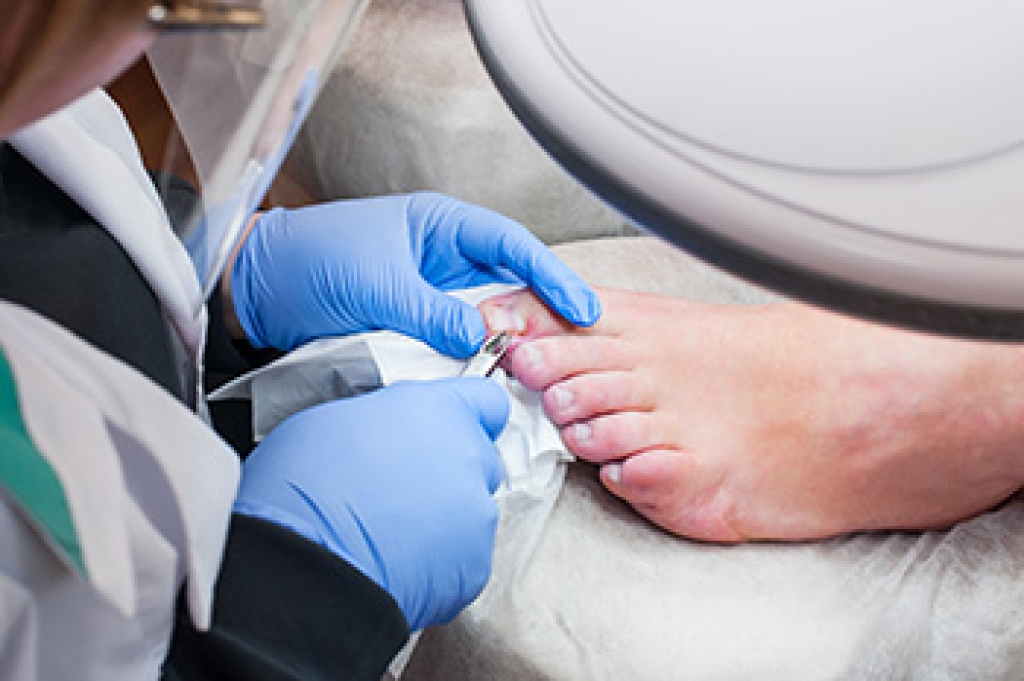
Ingrown toenail surgery is performed to relieve pain and infection caused when the edge of a toenail grows into the surrounding skin. Ingrown toenails often leads to redness, swelling, and tenderness near the tip of the toe. Surgery may be recommended when conservative care does not provide lasting relief. One common procedure is a wedge resection, in which a small portion of the nail and surrounding tissue is carefully removed to reduce pressure on the skin. Toenail removal may involve partial or complete nail removal to treat severe cases. Additionally, matrixectomy is a technique that treats the nail growth center to prevent the problematic portion from returning. A podiatrist can evaluate the condition and provide safe, effective treatment to restore comfort and healthy nail growth. If you have an ingrown toenail that is painful and interfering with daily activities, it is suggested that you consult a podiatrist who can discuss whether you are a candidate for this type of foot surgery.

Foot surgery is sometimes necessary to treat a foot ailment. To learn more, contact one of our podiatrists of The Sun Healthcare & Surgery Group. Our doctors will assist you with all of your foot and ankle needs.

When Is Surgery Necessary?

Foot and ankle surgery is generally reserved for cases in which less invasive, conservative procedures have failed to alleviate the problem. Some of the cases in which surgery may be necessary include:

  • Removing foot deformities like bunions and bone spurs
  • Severe arthritis that has caused bone issues
  • Cosmetic reconstruction

What Types of Surgery Are There?

The type of surgery you receive will depend on the nature of the problem you have. Some of the possible surgeries include:

  • Bunionectomy for painful bunions
  • Surgical fusion for realignment of bones
  • Neuropathy decompression surgery to treat nerve damage

Benefits of Surgery

Although surgery is usually a last resort, it can provide more complete pain relief compared to non-surgical methods and may allow you to finally resume full activity.

Surgical techniques have also become increasingly sophisticated. Techniques like endoscopic surgery allow for smaller incisions and faster recovery times.

If you have any questions, please feel free to contact our offices located in Antioch, Martinez, and Concord, CA . We offer the newest diagnostic and treatment technologies for all your foot care needs.

Read more about Foot and Ankle Surgery

When Rheumatoid Arthritis Affects the Feet

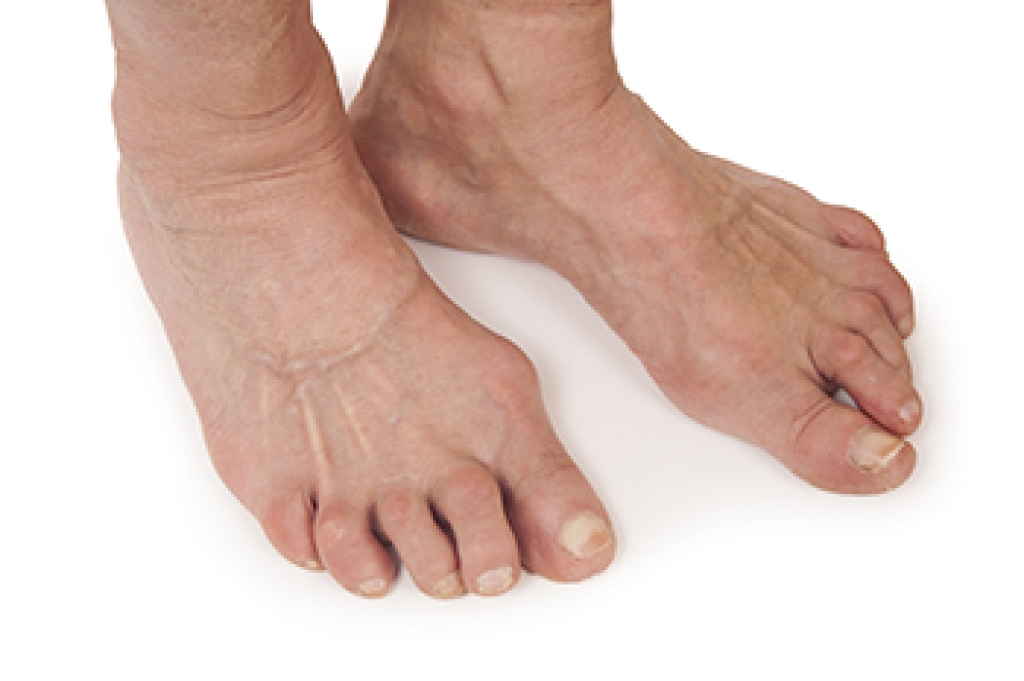
Rheumatoid arthritis is an inflammatory condition that can significantly affect the joints of the feet and ankles. Because each foot contains many small joints, this disease often causes pain, stiffness, and swelling in the toes and the front of the foot. Many patients notice morning stiffness that improves slowly as the day progresses. The joints may appear swollen or warm, and over time the toes can shift out of their normal position, sometimes creating bunions or hammertoes. Walking may become uncomfortable as pressure points develop on the ball of the foot. Rheumatoid arthritis occurs when the immune system mistakenly attacks the lining of the joints, leading to ongoing inflammation and joint damage. A podiatrist can help identify how the condition is affecting the feet through examination and imaging when needed. Treatment may include supportive footwear, custom orthotics, protective padding, and targeted exercises to maintain joint mobility. If you have rheumatoid arthritis affecting your feet, it is suggested that you make an appointment with a podiatrist.

Because RA affects more than just your joints, including the joints in your feet and ankles, it is important to seek early diagnosis from your podiatrist if you feel like the pain in your feet might be caused by RA. For more information, contact one of our podiatrists of The Sun Healthcare & Surgery Group. Our doctors will assist you with all of your podiatric concerns.

What Is Rheumatoid Arthritis?

Rheumatoid Arthritis (RA) is an autoimmune disorder in which the body’s own immune system attacks the membranes surrounding the joints. Inflammation of the lining and eventually the destruction of the joint’s cartilage and bone occur, causing severe pain and immobility.

Rheumatoid Arthritis of the Feet

Although RA usually attacks multiple bones and joints throughout the entire body, almost 90 percent of cases result in pain in the foot or ankle area.

Symptoms

  • Swelling and pain in the feet
  • Stiffness in the feet
  • Pain on the ball or sole of feet
  • Joint shift and deformation

Diagnosis

Quick diagnosis of RA in the feet is important so that the podiatrist can treat the area effectively. Your doctor will ask you about your medical history, occupation, and lifestyle to determine the origin of the condition. Rheumatoid Factor tests help to determine if someone is affected by the disease.

If you have any questions, please feel free to contact our offices located in Antioch, Martinez, and Concord, CA . We offer the newest diagnostic and treatment technologies for all your foot care needs.

Read more about Rheumatoid Arthritis in the Feet

Keep Your Feet Healthy So You Can Stay Active

Have your feet inspected by a professional before starting a new sport or physical activity. Taking charge of your foot health will keep you in good physical condition and can help you avoid a potential injury, such as a fracture or sprained ankle.

Prevent injuries and see a foot specialist.

Causes and Symptoms of Achilles Tendon Injuries

The Achilles tendon is the thick band of tissue that connects the calf muscles to the heel bone and helps you walk, run, and jump. Although it is the strongest tendon in the body, it is often injured during sports that involve sprinting, jumping, or sudden changes in direction. One common problem is Achilles tendinopathy, which means the tendon becomes irritated and damaged from overuse. This leads to pain, swelling, and reduced strength. In more severe cases, the tendon can tear completely, called a rupture. This may cause a sudden sharp pain in the back of the ankle and difficulty pushing off the foot. A podiatrist can perform a detailed exam, order ultrasound or MRI scans, and determine whether bracing, activity modification, or surgery is appropriate. Early diagnosis helps reduce long-term weakness and stiffness. If you have injured your Achilles tendon, it is suggested that you make an appointment with a podiatrist for an exam, diagnosis, and treatment.

Achilles tendon injuries need immediate attention to avoid future complications. If you have any concerns, contact one of our podiatrists of The Sun Healthcare & Surgery Group. Our doctors can provide the care you need to keep you pain-free and on your feet.

What Is the Achilles Tendon?

The Achilles tendon is a tendon that connects the lower leg muscles and calf to the heel of the foot. It is the strongest tendon in the human body and is essential for making movement possible. Because this tendon is such an integral part of the body, any injuries to it can create immense difficulties and should immediately be presented to a doctor.

What Are the Symptoms of an Achilles Tendon Injury?

There are various types of injuries that can affect the Achilles tendon. The two most common injuries are Achilles tendinitis and ruptures of the tendon.

Achilles Tendinitis Symptoms

  • Inflammation
  • Dull to severe pain
  • Increased blood flow to the tendon
  • Thickening of the tendon

Rupture Symptoms

  • Extreme pain and swelling in the foot
  • Total immobility

Treatment and Prevention

Achilles tendon injuries are diagnosed by a thorough physical evaluation, which can include an MRI. Treatment involves rest, physical therapy, and in some cases, surgery. However, various preventative measures can be taken to avoid these injuries, such as:

  • Thorough stretching of the tendon before and after exercise
  • Strengthening exercises like calf raises, squats, leg curls, leg extensions, leg raises, lunges, and leg presses

If you have any questions please feel free to contact our offices located in Antioch, Martinez, and Concord, CA . We offer the newest diagnostic tools and technology to treat your foot and ankle needs.

Read more about Achilles Tendon Injuries

Understanding Sever’s Disease and Pediatric Heel Pain

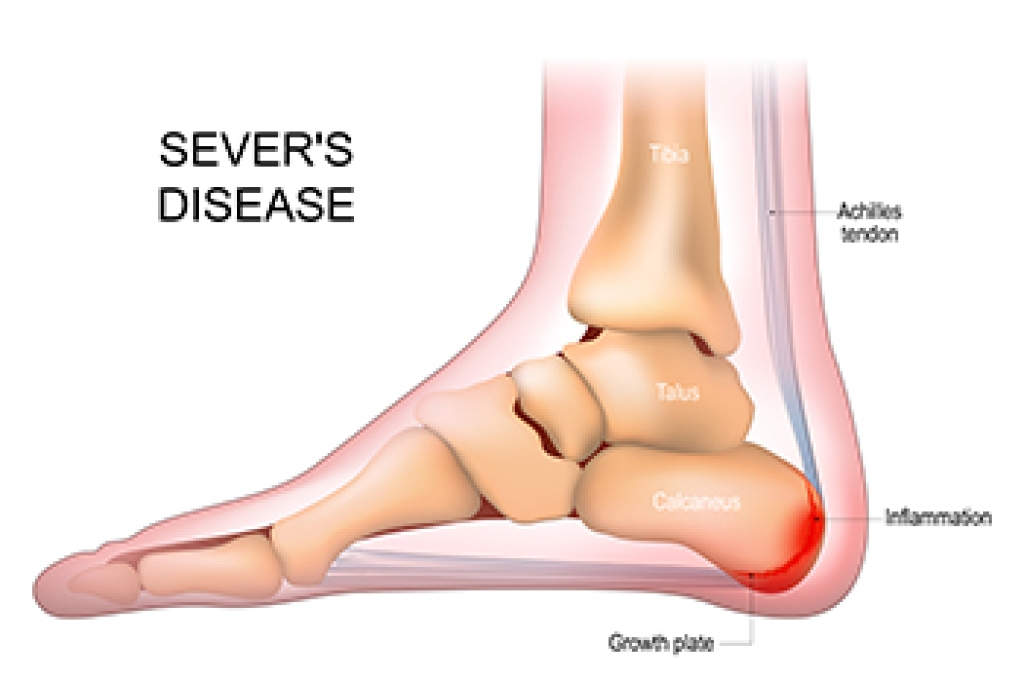
Sever’s disease is a common cause of pediatric heel pain that occurs when the growth plate at the back of the heel becomes inflamed. It typically affects children and adolescents during periods of rapid growth, especially among children who participate in running and jumping activities. The condition develops when repetitive stress and tight calf muscles place excess strain on the heel bone. Symptoms often include tenderness, swelling, and pain with deep pressure at the back of the heel, which may worsen during or after activity. Risk factors include high activity levels, wearing improper footwear, and growth spurts. A podiatrist can provide evaluation, stretching guidance, and supportive orthotics. If your active child has heel pain, it is suggested that you consult a podiatrist who can provide an accurate diagnosis and offer relief solutions.

Sever's disease often occurs in children and teens. If your child is experiencing foot or ankle pain, see one of our podiatrists from The Sun Healthcare & Surgery Group. Our doctors can treat your child’s foot and ankle needs.

Sever’s Disease

Sever’s disease is also known as calcaneal apophysitis, which is a medical condition that causes heel pain I none or both feet. The disease is known to affect children between the ages of 8 and 14.

Sever’s disease occurs when part of the child’s heel known as the growth plate (calcaneal epiphysis) is attached to the Achilles tendon. This area can suffer injury when the muscles and tendons of the growing foot do not keep pace with bone growth. Therefore, the constant pain which one experiences at the back of the heel will make the child unable to put any weight on the heel. The child is then forced to walk on their toes.

Symptoms

Acute pain – Pain associated with Sever’s disease is usually felt in the heel when the child engages in physical activity such as walking, jumping and or running.

Highly active – Children who are very active are among the most susceptible in experiencing Sever’s disease, because of the stress and tension placed on their feet.

If you have any questions, please feel free to contact our offices located in Antioch, Martinez, and Concord, CA . We offer the newest diagnostic and treatment technologies for all your foot care needs.
Read more about Sever's Disease

Connect With Us