Life After an Ankle Fracture

Healing from an ankle fracture does not end when the cast or boot comes off. This stage is when the real work begins. The ankle may feel stiff, weak, or unsteady, and it takes patience to restore full strength and movement. Gentle exercises help improve flexibility and prevent the joint from becoming rigid. Wearing supportive footwear can make walking safer and more comfortable, while avoiding uneven surfaces reduces the risk of another injury. Swelling can linger for weeks, so elevating the foot and using cold therapy may still be helpful. Some people benefit from targeted exercises to rebuild balance and coordination. Listening to the body and progressing slowly allows the ankle to recover without unnecessary setbacks. Careful attention during this period supports long term mobility and helps prevent future problems. If you need help with recovery or it stalls, it is suggested that you see a podiatrist for expert advice.

Broken ankles need immediate treatment. If you are seeking treatment, contact one of our podiatrists from The Sun Healthcare & Surgery Group. Our doctors can provide the care you need to keep you pain-free and on your feet. 

Broken Ankles
A broken ankle is experienced when a person fractures their tibia or fibula in the lower leg and ankle area. Both of these bones are attached at the bottom of the leg and combine to form what we know to be our ankle.

When a physician is referring to a break of the ankle, he or she is usually referring to a break in the area where the tibia and fibula are joined to create our ankle joint. Ankles are more prone to fractures because the ankle is an area that suffers a lot of pressure and stress. There are some obvious signs when a person experiences a fractured ankle, and the following symptoms may be present.

Symptoms of a Fractured Ankle

  • Excessive pain when the area is touched or when any pressure is placed on the ankle
  • Swelling around the area
  • Bruising of the area
  • Area appears to be deformed

If you suspect an ankle fracture, it is recommended to seek treatment as soon as possible. The sooner you have your podiatrist diagnose the fracture, the quicker you’ll be on the way towards recovery.

If you have any questions, please feel free to contact our offices located in Antioch, Martinez, and Concord, CA . We offer the newest diagnostic and treatment technologies for all your foot care needs.

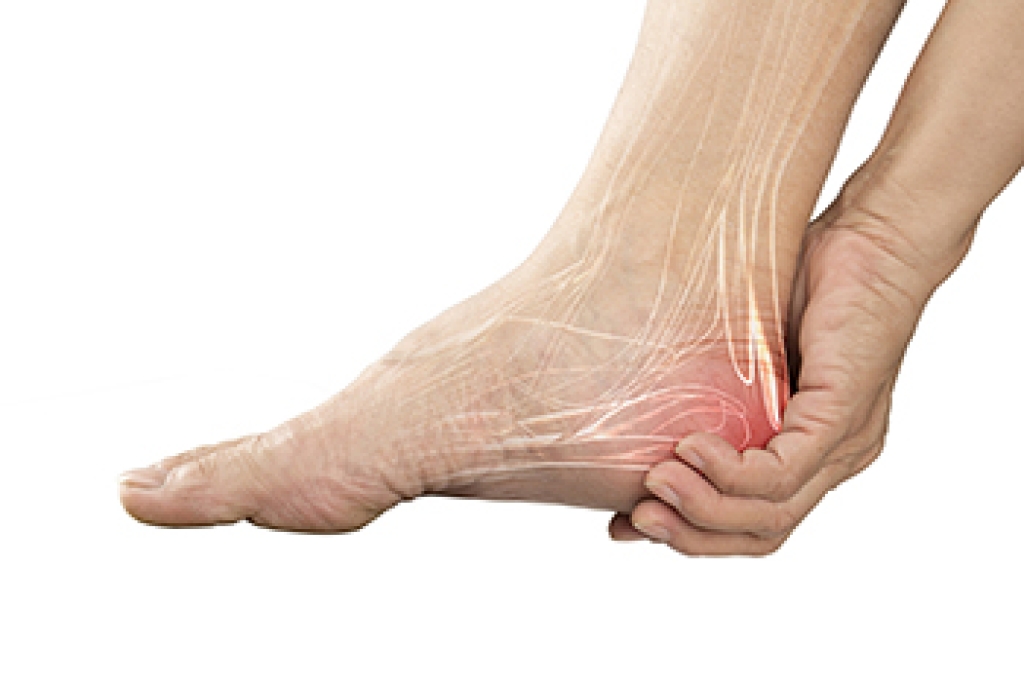
Read more about All About Broken Ankle

Do Your Child's Feet Hurt?

Have your child's feet been examined lately? Healthy feet are happy feet. If your child is complaining of foot pain, it may be a sign of underlying problems.

Symptoms and Causes of Heel Fat Pad Syndrome

Heel fat pad syndrome occurs when the thick, protective layer of fatty tissue beneath the heel becomes thinned, displaced, or inflamed. This heel fat pad, known as the corpus adiposum, normally cushions the heel bone and helps absorb the force of impact during walking or running. When the fat pad loses its elasticity or volume, it can no longer protect the heel effectively. This results in a deep, bruise-like pain in the center of the heel, especially when walking barefoot or on hard surfaces. Common causes include repetitive impact from sports, prolonged standing, walking on hard floors, gait abnormalities, and age-related tissue breakdown. Excess body weight and medical conditions, such as rheumatoid arthritis or diabetes, may also contribute. The heel pain typically worsens with activity and improves with rest. A podiatrist can evaluate heel structure, identify fat pad atrophy through a physical exam or imaging, and recommend methods to reduce discomfort and protect the heel. If your heels hurt during everyday activities, it is suggested that you schedule an appointment with a podiatrist for an exam and appropriate treatment options.

Many people suffer from bouts of heel pain. For more information, contact one of our podiatrists of The Sun Healthcare & Surgery Group. Our doctors can provide the care you need to keep you pain-free and on your feet.

Causes of Heel Pain

Heel pain is often associated with plantar fasciitis. The plantar fascia is a band of tissues that extends along the bottom of the foot. A rip or tear in this ligament can cause inflammation of the tissue.

Achilles tendonitis is another cause of heel pain. Inflammation of the Achilles tendon will cause pain from fractures and muscle tearing. Lack of flexibility is also another symptom.

Heel spurs are another cause of pain. When the tissues of the plantar fascia undergo a great deal of stress, it can lead to ligament separation from the heel bone, causing heel spurs.

Why Might Heel Pain Occur?

  • Wearing ill-fitting shoes                
  • Wearing non-supportive shoes
  • Weight change           
  • Excessive running

Treatments

Heel pain should be treated as soon as possible for immediate results. Keeping your feet in a stress-free environment will help. If you suffer from Achilles tendonitis or plantar fasciitis, applying ice will reduce the swelling. Stretching before an exercise like running will help the muscles. Using all these tips will help make heel pain a condition of the past.

If you have any questions, please feel free to contact our offices located in Antioch, Martinez, and Concord, CA . We offer the newest diagnostic and treatment technologies for all your foot care needs.
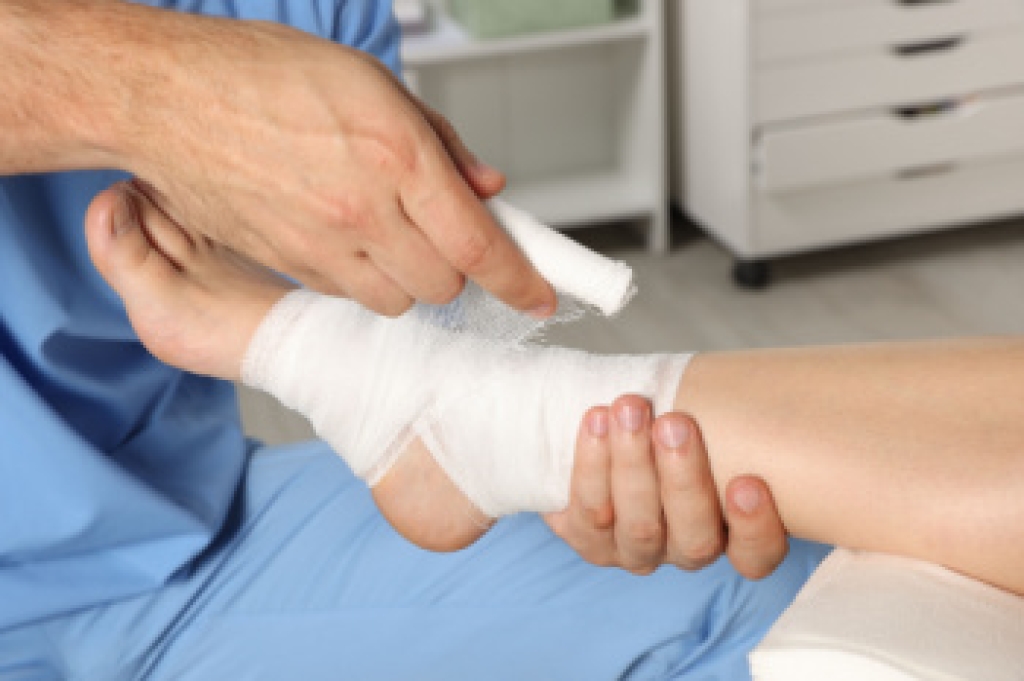
Read more about Heel Pain

Causes and Risk Factors for Slow-Healing Wounds

Wounds on the feet or ankles that heal slowly often result from underlying medical conditions that affect blood flow, nerve function, or immune response. Poor circulation, including peripheral artery disease or venous insufficiency, limits the supply of oxygen and nutrients to foot tissues, making it harder for wounds to close. Diabetes is another leading cause of slow-healing wounds, as prolonged high blood sugar can damage blood vessels and nerves, reducing both pain sensation and healing ability. Mechanical pressure from wearing ill-fitting shoes or prolonged immobility can also lead to sores that are slow to heal. A weakened immune system along with advancing age may further increase the risk. Chronic wounds can become infected and lead to complications, including the possibility of limb loss, if untreated. If you notice a foot or lower leg wound that is not healing properly, it is suggested that you schedule an immediate appointment with a podiatrist for an exam and appropriate treatment plan.

Wound care is an important part in dealing with diabetes. If you have diabetes and a foot wound or would like more information about wound care for diabetics, consult with one of our podiatrists from The Sun Healthcare & Surgery Group. Our doctors will assess your condition and provide you with quality foot and ankle treatment.

What Is Wound Care?

Wound care is the practice of taking proper care of a wound. This can range from the smallest to the largest of wounds. While everyone can benefit from proper wound care, it is much more important for diabetics. Diabetics often suffer from poor blood circulation which causes wounds to heal much slower than they would in a non-diabetic. 

What Is the Importance of Wound Care?

While it may not seem apparent with small ulcers on the foot, for diabetics, any size ulcer can become infected. Diabetics often also suffer from neuropathy, or nerve loss. This means they might not even feel when they have an ulcer on their foot. If the wound becomes severely infected, amputation may be necessary. Therefore, it is of the upmost importance to properly care for any and all foot wounds.

How to Care for Wounds

The best way to care for foot wounds is to prevent them. For diabetics, this means daily inspections of the feet for any signs of abnormalities or ulcers. It is also recommended to see a podiatrist several times a year for a foot inspection. If you do have an ulcer, run the wound under water to clear dirt from the wound; then apply antibiotic ointment to the wound and cover with a bandage. Bandages should be changed daily and keeping pressure off the wound is smart. It is advised to see a podiatrist, who can keep an eye on it.

If you have any questions please contact our offices located in Antioch, Martinez, and Concord, CA . We offer the newest diagnostic and treatment technologies for all your foot and ankle needs.

Read more about Wound Care

When Athlete’s Foot Becomes Severe

Athlete’s foot is a common fungal infection, but in severe cases, it becomes more than a simple itch. Cracked, peeling skin, intense redness, swelling, and open sores between the toes or on the soles of the feet can develop. The itching may become painful, and walking can feel uncomfortable. In some cases, blisters or secondary bacterial infections appear, making the condition more serious. Severe athlete’s foot often resists mild creams. A podiatrist can offer stronger antifungal medications, either topical or oral, to target the infection more effectively. Keeping feet clean and dry, changing socks regularly, and disinfecting shoes are essential steps to prevent reinfection. Left untreated, the infection can spread to the toenails or other parts of the body. If symptoms worsen or do not improve with basic care, it is suggested that you seek treatment from a podiatrist.

Athlete’s Foot

Athlete’s foot is often an uncomfortable condition to experience. Thankfully, podiatrists specialize in treating athlete’s foot and offer the best treatment options. If you have any questions about athlete’s foot, consult with one of our podiatrists from The Sun Healthcare & Surgery Group. Our doctors will assess your condition and provide you with quality treatment.

What Is Athlete’s Foot?

Tinea pedis, more commonly known as athlete’s foot, is a non-serious and common fungal infection of the foot. Athlete’s foot is contagious and can be contracted by touching someone who has it or infected surfaces. The most common places contaminated by it are public showers, locker rooms, and swimming pools. Once contracted, it grows on feet that are left inside moist, dark, and warm shoes and socks.

Prevention

The most effective ways to prevent athlete’s foot include:

  • Thoroughly washing and drying feet
  • Avoid going barefoot in locker rooms and public showers
  • Using shower shoes in public showers
  • Wearing socks that allow the feet to breathe
  • Changing socks and shoes frequently if you sweat a lot

Symptoms

Athlete’s foot initially occurs as a rash between the toes. However, if left undiagnosed, it can spread to the sides and bottom of the feet, toenails, and if touched by hand, the hands themselves. Symptoms include:

  • Redness
  • Burning
  • Itching
  • Scaly and peeling skin

Diagnosis and Treatment

Diagnosis is quick and easy. Skin samples will be taken and either viewed under a microscope or sent to a lab for testing. Sometimes, a podiatrist can diagnose it based on simply looking at it. Once confirmed, treatment options include oral and topical antifungal medications.

If you have any questions, please feel free to contact our offices located in Antioch, Martinez, and Concord, CA . We offer the newest diagnostic and treatment technologies for all your foot care needs.

Read more about Athlete’s Foot

Connect With Us