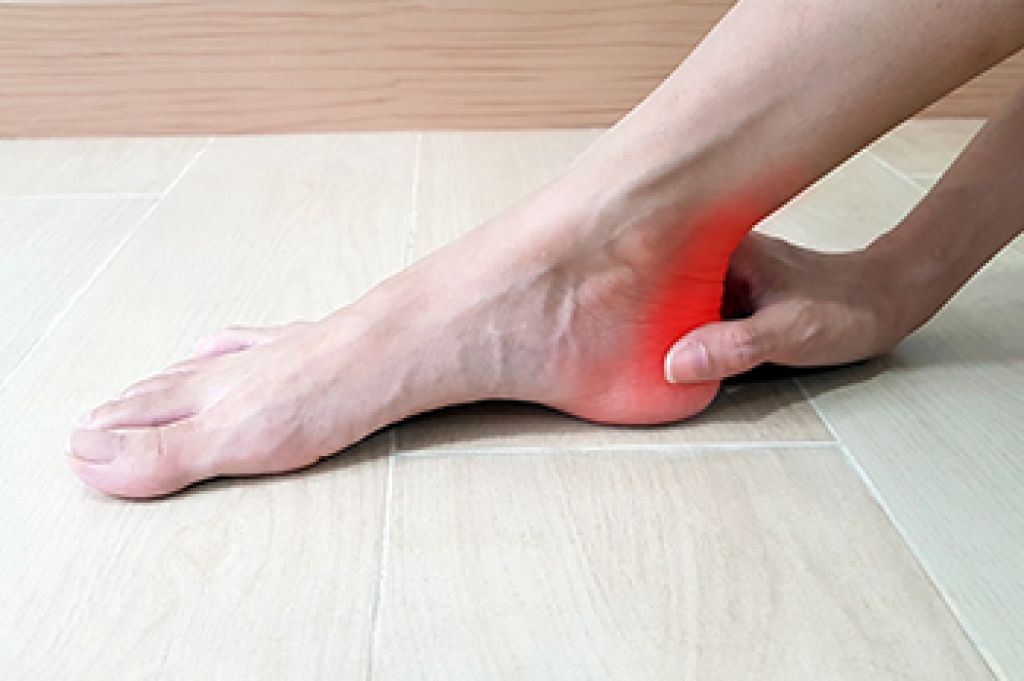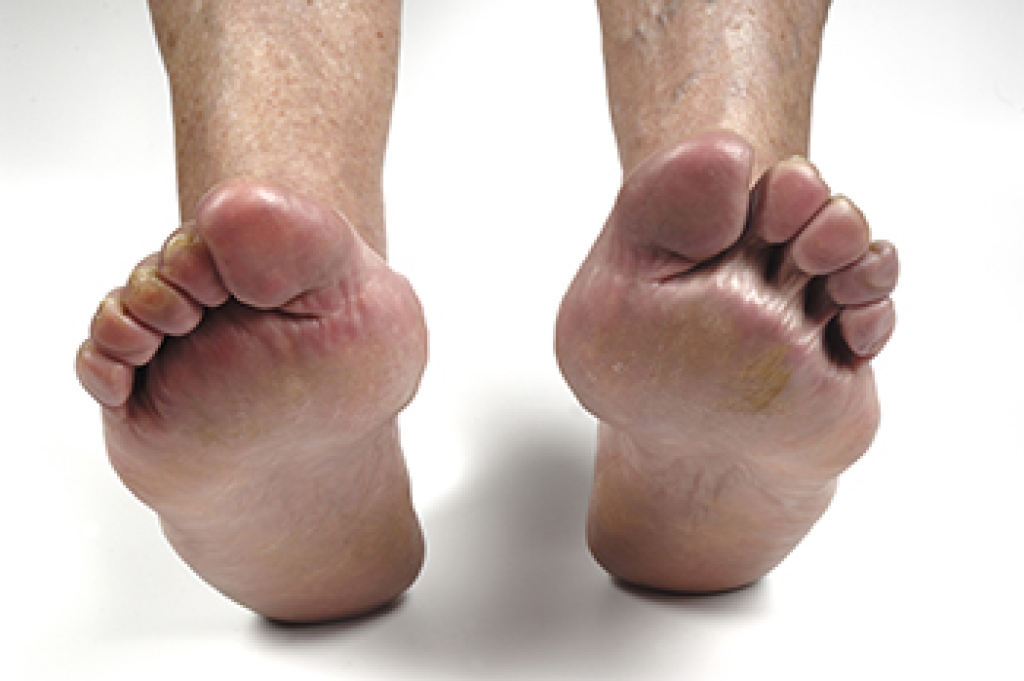
Rheumatoid Arthritis in the Feet

Rheumatoid arthritis can make simple movements painful when it affects the feet. This condition develops when the immune system mistakenly attacks healthy joint tissue. The result is swelling, stiffness, and pain that can interfere with daily activities. Small joints in the toes and front of the foot can become tender. Some patients notice discomfort in both feet after resting. Morning stiffness may make the first steps difficult. Symptoms can suddenly worsen during a flare, then improve for a period. Without proper treatment, ongoing swelling can damage joints and change their shape.

The exact cause of rheumatoid arthritis remains unknown. Certain factors raise the risk, including smoking, family history, and increasing age. Women are more likely to develop rheumatoid arthritis than men. It can also cause tiredness and weakness, making ordinary tasks harder. In the feet, swollen joints can affect balance and make wearing shoes uncomfortable. Changes in toe position may create pressure points that become painful while walking. Because symptoms can resemble other foot conditions, a careful examination matters. A podiatrist can check joint movement, assess painful areas, and review changes in how you walk. Imaging or blood tests help clarify the diagnosis.

Although rheumatoid arthritis has no cure, treatment can reduce symptoms and help protect joints. A podiatrist can recommend shoes with proper support and enough room for sensitive toes. Custom orthotics are shoe inserts designed to spread pressure more evenly across the foot. A podiatrist can also provide guidance on protecting painful joints and monitoring changes in foot shape. Medicines that control the disease can slow joint damage, making early diagnosis important. Regular foot evaluations help identify new pressure areas before they interfere with movement. If you have symptoms of rheumatoid arthritis, it is suggested that you schedule an appointment with a podiatrist for diagnosis and treatment.

Because RA affects more than just your joints, including the joints in your feet and ankles, it is important to seek early diagnosis from your podiatrist if you feel like the pain in your feet might be caused by RA. For more information, contact one of our podiatrists of The Sun Healthcare & Surgery Group. Our doctors will assist you with all of your podiatric concerns.

What Is Rheumatoid Arthritis?

Rheumatoid Arthritis (RA) is an autoimmune disorder in which the body’s own immune system attacks the membranes surrounding the joints. Inflammation of the lining and eventually the destruction of the joint’s cartilage and bone occur, causing severe pain and immobility.

Rheumatoid Arthritis of the Feet

Although RA usually attacks multiple bones and joints throughout the entire body, almost 90 percent of cases result in pain in the foot or ankle area.

Symptoms

  • Swelling and pain in the feet
  • Stiffness in the feet
  • Pain on the ball or sole of feet
  • Joint shift and deformation

Diagnosis

Quick diagnosis of RA in the feet is important so that the podiatrist can treat the area effectively. Your doctor will ask you about your medical history, occupation, and lifestyle to determine the origin of the condition. Rheumatoid Factor tests help to determine if someone is affected by the disease.

If you have any questions, please feel free to contact our offices located in Antioch, Martinez, Concord, and Napa, CA . We offer the newest diagnostic and treatment technologies for all your foot care needs.

Read more about Rheumatoid Arthritis in the Feet

Recognizing Symptoms of Athlete's Foot

Athlete’s foot is a fungal infection that affects the skin of the feet. It can cause itching, discoloration, and cracks in the skin. These changes often appear between the toes but can develop on other parts of the foot as well. The infection may cause skin to look dry or scaly, making it easy to confuse with other skin problems. Foot psoriasis can create similar symptoms, including scaling and discoloration. Because the two problems may look alike, an accurate diagnosis is important before treatment begins. Using the wrong treatment can allow symptoms to continue or become worse.


One important difference is that athlete’s foot is caused by a fungus, while psoriasis is related to the immune system. Athlete’s foot can also spread from one person to another, unlike psoriasis. The location and appearance of symptoms may provide clues, but these features do not always make the cause clear. Athlete’s foot often produces cracking or peeling between the toes. Psoriasis may affect other parts of the body in addition to the feet. When skin changes continue, or the diagnosis is uncertain, professional evaluation can help determine what is actually causing the problem.


A podiatrist can examine persistent skin changes on the feet and determine whether athlete’s foot or another condition may be responsible. Since fungal infections and psoriasis require different approaches, identifying the correct cause can guide appropriate care. A podiatrist may evaluate the location and appearance of affected skin while considering other symptoms. Further testing may be appropriate when the diagnosis is unclear. Professional care is especially valuable when itching, cracking, or discoloration continues despite previous treatment or begins interfering with comfort. Receiving the correct diagnosis can prevent unnecessary treatment and help address the underlying cause of the skin changes. If you have ongoing symptoms that may indicate athlete’s foot, it is suggested that you consult a podiatrist for an evaluation and appropriate treatment options.

Athlete’s Foot

Athlete’s foot is often an uncomfortable condition to experience. Thankfully, podiatrists specialize in treating athlete’s foot and offer the best treatment options. If you have any questions about athlete’s foot, consult with one of our podiatrists from The Sun Healthcare & Surgery Group. Our doctors will assess your condition and provide you with quality treatment.

What Is Athlete’s Foot?

Tinea pedis, more commonly known as athlete’s foot, is a non-serious and common fungal infection of the foot. Athlete’s foot is contagious and can be contracted by touching someone who has it or infected surfaces. The most common places contaminated by it are public showers, locker rooms, and swimming pools. Once contracted, it grows on feet that are left inside moist, dark, and warm shoes and socks.

Prevention

The most effective ways to prevent athlete’s foot include:

  • Thoroughly washing and drying feet
  • Avoid going barefoot in locker rooms and public showers
  • Using shower shoes in public showers
  • Wearing socks that allow the feet to breathe
  • Changing socks and shoes frequently if you sweat a lot

Symptoms

Athlete’s foot initially occurs as a rash between the toes. However, if left undiagnosed, it can spread to the sides and bottom of the feet, toenails, and if touched by hand, the hands themselves. Symptoms include:

  • Redness
  • Burning
  • Itching
  • Scaly and peeling skin

Diagnosis and Treatment

Diagnosis is quick and easy. Skin samples will be taken and either viewed under a microscope or sent to a lab for testing. Sometimes, a podiatrist can diagnose it based on simply looking at it. Once confirmed, treatment options include oral and topical antifungal medications.

If you have any questions, please feel free to contact our offices located in Antioch, Martinez, Concord, and Napa, CA . We offer the newest diagnostic and treatment technologies for all your foot care needs.

Read more about Athlete's Foot

Podiatrists Can Treat Pickleball Foot and Ankle Injuries

Pickleball injuries are often the result of  quick starts, stops, and sharp side-to-side movements. These common actions place stress on the feet and ankles. Ankle sprains can happen when the foot rolls inward or outward. Achilles tendon strains and tears can result from pushing off quickly. Players can develop heel pain, broken toes, or fractures in the long bones of the foot. Repeated pressure can lead to toenail damage or stress fractures, which are small cracks in a bone. Risk increases when players return to activity too quickly after a break or play on a slippery court.

Proper preparation can lower the chance of injury. A warm-up helps prepare the muscles, tendons, and joints for fast movement. Because running shoes are made mainly for forward motion, they may not offer enough stability for pickleball.  Players should wear court shoes that fit and provide good side-to-side support. Worn-out soles can reduce traction and support. A podiatrist can examine a player’s foot structure, walking pattern, and pressure points. Based on the findings, the podiatrist can recommend suitable shoes, custom orthotics, or activity changes. These steps can improve balance and reduce strain while allowing players to enjoy the game.

Pain, swelling, or difficulty placing weight on the foot should not be ignored. A popping sound, sudden weakness, or a visible change in shape can signal an injury. A podiatrist can perform an examination and order imaging tests to determine whether a bone, tendon, or ligament has been damaged. Treatment includes bracing, immobilization, or other care based on the injury. Early diagnosis can prevent the problem from becoming worse and guide a safe return to the court. It also helps patients avoid changing how they walk, which can create pain elsewhere. If you have injured your foot or ankle while playing pickleball, it is suggested that you schedule an appointment with a podiatrist for effective relief and treatment solutions, enabling you to return to this popular sport.

Sports related foot and ankle injuries require proper treatment before players can go back to their regular routines. For more information, contact one of our podiatrists of The Sun Healthcare & Surgery Group. Our doctors can provide the care you need to keep you pain-free and on your feet.

Sports Related Foot and Ankle Injuries

Foot and ankle injuries are a common occurrence when it comes to athletes of any sport. While many athletes dismiss the initial aches and pains, the truth is that ignoring potential foot and ankle injuries can lead to serious problems. As athletes continue to place pressure and strain the area further, a mild injury can turn into something as serious as a rupture and may lead to a permanent disability. There are many factors that contribute to sports related foot and ankle injuries, which include failure to warm up properly, not providing support or wearing bad footwear. Common injuries and conditions athletes face, including:

  • Plantar Fasciitis
  • Achilles Tendinitis
  • Achilles Tendon Rupture
  • Ankle Sprains

Sports related injuries are commonly treated using the RICE method. This includes rest, applying ice to the injured area, compression and elevating the ankle. More serious sprains and injuries may require surgery, which could include arthroscopic and reconstructive surgery. Rehabilitation and therapy may also be required in order to get any recovering athlete to become fully functional again. Any unusual aches and pains an athlete sustains must be evaluated by a licensed, reputable medical professional.

If you have any questions please contact our offices located in Antioch, Martinez, Concord, and Napa, CA . We offer the newest diagnostic and treatment technologies for all your foot and ankle needs.

Read more about Sports Related Foot and Ankle Injuries

Podiatric Care for Achilles Tendon Injuries

The Achilles tendon is a strong band of tissue that connects the calf muscles to the heel bone. It helps the foot point downward and plays an important role in walking, running, and jumping. Achilles tendon injuries range from irritation and small tissue damage to a complete tear, called a rupture. A rupture can happen when the tendon is suddenly placed under intense stress. Symptoms include pain, swelling, and difficulty walking. Some patients feel or hear a pop when the tendon tears. A complete rupture can make it difficult to push off the injured foot or stand on the toes of that leg.

Achilles tendon injuries can occur during activities that involve sudden starts, stops, or changes in direction. Running and jumping can also place significant force on the tendon. A rupture sometimes occurs in people who participate in sports only occasionally. Age can affect the tendon, and certain medications can increase the risk of injury. A podiatrist can ask how the injury happened and examine the foot, ankle, and lower leg. The examination can include checking tenderness, swelling, and ankle movement. The podiatrist can also test how well the Achilles tendon is working. Imaging tests can help determine the location and extent of an injury when more information is required.

Treatment depends on the type and severity of the Achilles tendon injury. A podiatrist can provide or coordinate care designed to protect the tendon and restore function. Treatment can include immobilization, and other forms of medical care. A complete rupture can sometimes require surgery, depending on the patient's health and activity level. A podiatrist can also monitor healing and determine when it is appropriate to increase activity. Rehabilitation can focus on restoring strength, flexibility, and normal movement. Proper evaluation is important because continuing activity with an injured Achilles tendon can interfere with recovery. The goal of treatment is to support healing and help the patient return safely to normal activities. If you have symptoms of an Achilles tendon injury, it is suggested that you schedule an appointment with a podiatrist for effective relief and treatment solutions.

Achilles tendon injuries need immediate attention to avoid future complications. If you have any concerns, contact one of our podiatrists of The Sun Healthcare & Surgery Group. Our doctors can provide the care you need to keep you pain-free and on your feet.

What Is the Achilles Tendon?

The Achilles tendon is a tendon that connects the lower leg muscles and calf to the heel of the foot. It is the strongest tendon in the human body and is essential for making movement possible. Because this tendon is such an integral part of the body, any injuries to it can create immense difficulties and should immediately be presented to a doctor.

What Are the Symptoms of an Achilles Tendon Injury?

There are various types of injuries that can affect the Achilles tendon. The two most common injuries are Achilles tendinitis and ruptures of the tendon.

Achilles Tendinitis Symptoms

  • Inflammation
  • Dull to severe pain
  • Increased blood flow to the tendon
  • Thickening of the tendon

Rupture Symptoms

  • Extreme pain and swelling in the foot
  • Total immobility

Treatment and Prevention

Achilles tendon injuries are diagnosed by a thorough physical evaluation, which can include an MRI. Treatment involves rest, physical therapy, and in some cases, surgery. However, various preventative measures can be taken to avoid these injuries, such as:

  • Thorough stretching of the tendon before and after exercise
  • Strengthening exercises like calf raises, squats, leg curls, leg extensions, leg raises, lunges, and leg presses

If you have any questions please feel free to contact our offices located in Antioch, Martinez, Concord, and Napa, CA . We offer the newest diagnostic tools and technology to treat your foot and ankle needs.

Read more about What are Achilles Tendon Injuries

Connect With Us