
Facts About Rheumatoid Arthritis in the Feet

Rheumatoid arthritis, often referred to as RA, is a chronic autoimmune condition in which the immune system mistakenly attacks the lining of the joints. This attack targets the connective tissue that supports and cushions the joints, leading to inflammation and damage over time. Unlike wear-and-tear arthritis, rheumatoid arthritis affects both sides of the body and can involve multiple joints, including those in the feet and ankles. The condition can interfere with daily movement and may progress if not properly managed.

Symptoms of rheumatoid arthritis in the feet commonly include painful inflammation, stiffness, and swelling in the joints. These symptoms are often worse in the morning or after periods of rest. Individuals may notice difficulty walking, reduced flexibility, and tenderness in the ball of the foot or toes. As the condition advances, joint deformities may develop, which can change foot shape and increase pressure in certain areas. Persistent discomfort can make routine activities more challenging.


The cause of rheumatoid arthritis is linked to an abnormal immune response, although the exact trigger is not fully understood. The immune system attacks the joint lining, causing inflammation that can damage cartilage and bone. This process can lead to joint instability and reduced function. Complications may extend beyond the joints and include skin issues, such as nodules, and circulatory concerns that affect overall health. These systemic effects highlight the importance of early recognition and care.


Risk factors for rheumatoid arthritis include genetic predisposition, female gender, and certain environmental influences. The condition can develop at any age, but is more common in middle-aged adults. Managing symptoms early can help protect joint health and maintain mobility. Wearing supportive footwear and regular monitoring can reduce stress on affected joints. If you have symptoms of RA in your feet, it is suggested that you are under the care of a podiatrist who can offer effective relief and management tips.

Because RA affects more than just your joints, including the joints in your feet and ankles, it is important to seek early diagnosis from your podiatrist if you feel like the pain in your feet might be caused by RA. For more information, contact one of our podiatrists of The Sun Healthcare & Surgery Group. Our doctors will assist you with all of your podiatric concerns.

What Is Rheumatoid Arthritis?

Rheumatoid Arthritis (RA) is an autoimmune disorder in which the body’s own immune system attacks the membranes surrounding the joints. Inflammation of the lining and eventually the destruction of the joint’s cartilage and bone occur, causing severe pain and immobility.

Rheumatoid Arthritis of the Feet

Although RA usually attacks multiple bones and joints throughout the entire body, almost 90 percent of cases result in pain in the foot or ankle area.

Symptoms

  • Swelling and pain in the feet
  • Stiffness in the feet
  • Pain on the ball or sole of feet
  • Joint shift and deformation

Diagnosis

Quick diagnosis of RA in the feet is important so that the podiatrist can treat the area effectively. Your doctor will ask you about your medical history, occupation, and lifestyle to determine the origin of the condition. Rheumatoid Factor tests help to determine if someone is affected by the disease.

If you have any questions, please feel free to contact our offices located in Antioch, Martinez, and Concord, CA . We offer the newest diagnostic and treatment technologies for all your foot care needs.
Read more about Rheumatoid Arthritis in the Feet

How a Podiatrist Treats Blisters

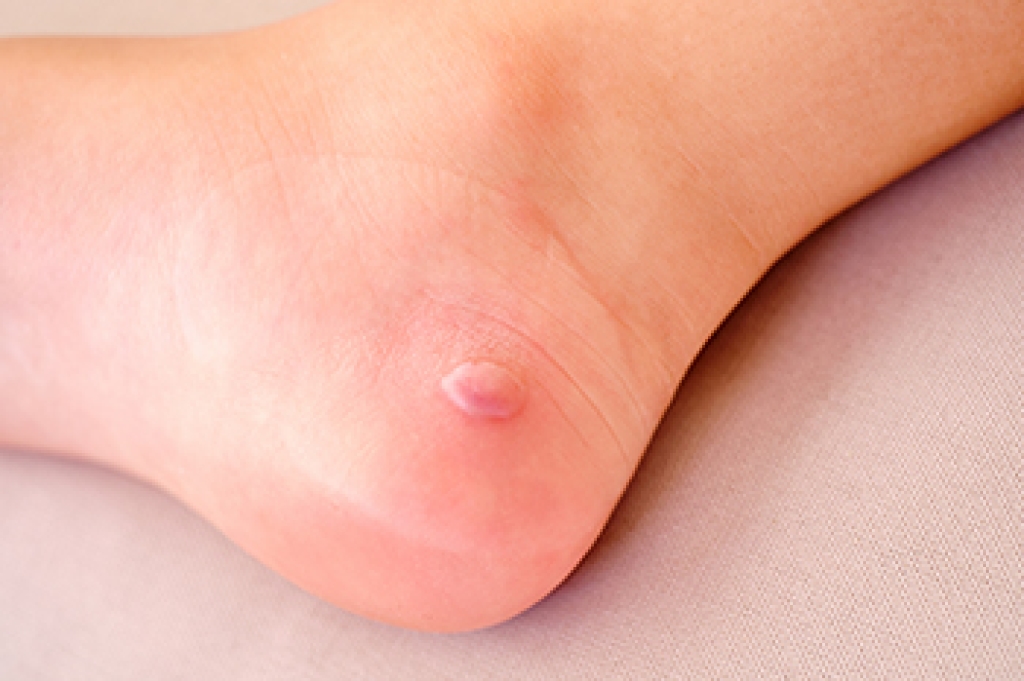
Blisters develop when repeated friction causes the upper layers of skin to separate, allowing clear fluid to collect between them. This fluid forms a protective cushion over the damaged tissue while the skin begins to heal. Blisters on the feet usually result from rubbing caused by shoes that do not fit properly, repeated walking and running, or increased physical activity. Heat, moisture, and sweaty feet can also increase friction and make blisters more likely to form. Although a blister may seem minor, it can become very painful and interfere with normal movement. Early evaluation is important when a blister becomes severe, repeatedly returns, or shows signs of infection because prompt care helps prevent further complications.

Symptoms include a raised pocket of fluid, redness, and pain while walking or standing. Some blisters remain small, while others grow larger and make everyday activities uncomfortable. The skin surrounding the blister can become irritated or swollen, especially when friction continues. If a blister breaks open, bacteria can enter the damaged skin and increase the risk of infection. Warning signs include increasing pain, warmth, or pus. A careful examination helps determine whether the blister is healing properly or whether another foot condition is contributing to the problem. 

Podiatrists evaluate the blister, the surrounding skin, and the way your feet function to identify the cause of repeated irritation. Treatment focuses on protecting the damaged skin, reducing pressure on the affected area, and helping the foot heal safely. A podiatrist can also recommend shoes that provide proper support and fit correctly to reduce unnecessary rubbing. Professional care is especially important when blisters are frequent, severe, or slow to heal. Early treatment helps improve comfort, supports healthier skin, and lowers the risk of infection or ongoing foot pain. If you frequently develop blisters, it is suggested that you schedule an appointment with a podiatrist for effective treatment and prevention tips.

Blisters may appear as a single bubble or in a cluster. They can cause a lot of pain and may be filled with pus, blood, or watery serum. If your feet are hurting, contact one of our podiatrists of The Sun Healthcare & Surgery Group. Our doctors can provide the care you need to keep you pain-free and on your feet.

Foot Blisters

Foot blisters are often the result of friction. This happens due to the constant rubbing from shoes, which can lead to pain.

What Are Foot Blisters?

A foot blister is a small fluid-filled pocket that forms on the upper-most layer of the skin. Blisters are filled with clear fluid and can lead to blood drainage or pus if the area becomes infected.

Symptoms

(Blister symptoms may vary depending on what is causing them)

  • Bubble of skin filled with fluid
  • Redness
  • Moderate to severe pain
  • Itching

Prevention & Treatment

In order to prevent blisters, you should be sure to wear comfortable shoes with socks that cushion your feet and absorb sweat. Breaking a blister open may increase your chances of developing an infection. However, if your blister breaks, you should wash the area with soap and water immediately and then apply a bandage to the affected area. If your blisters cause severe pain it is important that you call your podiatrist right away.

If you have any questions, please feel free to contact our offices located in Antioch, Martinez, and Concord, CA . We offer the newest diagnostic and treatment technologies for all your foot care needs.

Read more about Blisters on the Feet

Connect With Us