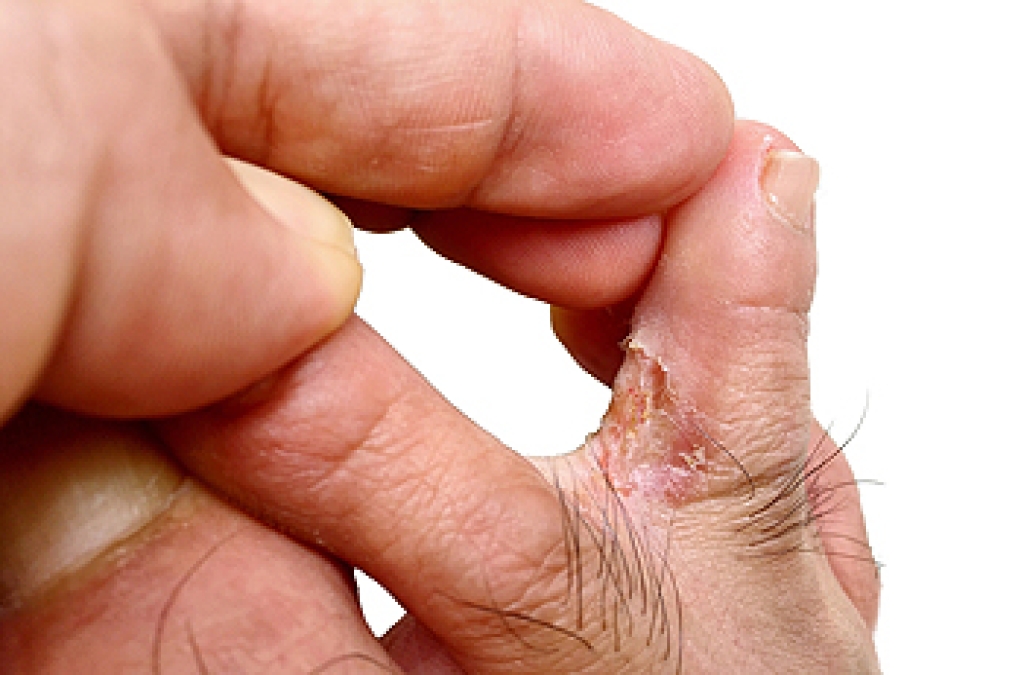
Understanding Athlete's Foot and Treatment Options

Athlete's foot is a fungal infection that affects the skin of the feet and can spread when left untreated. Fungi are tiny living organisms that grow well in warm, moist environments. The infection frequently begins between the toes, but it can also affect the soles, sides, or heels of the feet. Patients often notice itching, burning, or peeling skin. Redness and cracking can also develop, making walking uncomfortable. In more severe cases, blisters or painful skin splits can appear. Because several skin conditions produce similar symptoms, a podiatrist can perform a thorough examination to determine whether a fungal infection is causing the problem and recommend the most appropriate treatment.

Athlete's foot spreads through direct contact with infected skin or contaminated surfaces. Places like locker rooms, public showers, and swimming pool areas increase the chance of exposure. The infection also spreads through shared towels, socks, or shoes. Wearing shoes for long periods can create a warm, damp environment that encourages fungal growth. Patients with diabetes or weakened immune systems can have a greater risk of developing more severe infections. A podiatrist can identify the specific type of fungal infection and determine whether it has spread to the toenails or other areas of the foot.

Treatment depends on the severity of the infection and how much skin is involved. A podiatrist can prescribe antifungal medications that target the fungus and help clear the infection. Patients with more extensive infections sometimes require oral medication to improve treatment results. A podiatrist also evaluates the feet for skin damage, nail involvement, and signs of a bacterial infection that can develop when cracked skin allows bacteria to enter. Early diagnosis and podiatric l treatment can improve comfort, reduce the chance of recurring infections, and help protect long-term foot health. If you have symptoms of athlete's foot, it is suggested that you  schedule an appointment with a podiatrist for effective relief and treatment solutions. 

Athlete’s foot is an inconvenient condition that can be easily reduced with the proper treatment. If you have any concerns about your feet and ankles, contact one of our podiatrists from The Sun Healthcare & Surgery Group.  Our doctors will treat your foot and ankle needs.

Athlete’s Foot: The Sole Story

Athlete's foot, also known as tinea pedis, can be an extremely contagious foot infection. It is commonly contracted in public changing areas and bathrooms, dormitory style living quarters, around locker rooms and public swimming pools, or anywhere your feet often come into contact with other people.

Solutions to Combat Athlete’s Foot

  • Hydrate your feet by using lotion
  • Exfoliate
  • Buff off nails
  • Use of anti-fungal products
  • Examine your feet and visit your doctor if any suspicious blisters or cuts develop

Athlete’s foot can cause many irritating symptoms such as dry and flaking skin, itching, and redness. Some more severe symptoms can include bleeding and cracked skin, intense itching and burning, and even pain when walking. In the worst cases, Athlete’s foot can cause blistering as well. Speak to your podiatrist for a better understanding of the different causes of Athlete’s foot, as well as help in determining which treatment options are best for you.

If you have any questions please feel free to contact our offices located in Antioch, Martinez, and Concord, CA . We offer the newest diagnostic and treatment technologies for all your foot and ankle needs.


Read more about Athlete’s Foot

Why a Broken Toe Should Be Evaluated by a Podiatrist

A broken toe is a common injury that can make walking, standing, and other daily activities uncomfortable. It often results from stubbing the toe, dropping a heavy object on the foot, or experiencing a sports-related injury. A fracture may involve a small crack in the bone or a more serious break that affects the toe's alignment. Because the toes help provide balance and support with every step, even a minor fracture can interfere with normal movement. Some broken toes heal without complications, while others require closer medical attention to prevent long-term problems. A professional evaluation is important to determine the type of fracture and recommend the most appropriate treatment. Early diagnosis may also help protect foot function and support proper healing.


Symptoms of a broken toe usually appear soon after the injury. Many people experience pain, swelling, or bruising around the affected toe. Others notice tenderness or difficulty putting weight on the front of the foot. In some cases, the toe may appear crooked or sit in an unusual position if the bones have shifted. Walking may become more difficult because of discomfort and reduced flexibility. Since sprains and fractures can cause similar symptoms, imaging studies may be needed to confirm the diagnosis. Prompt treatment can help reduce complications and support a smoother recovery.


A podiatrist specializes in diagnosing and treating broken toes and other foot injuries. During an examination, the podiatrist evaluates the injured toe, reviews the symptoms, and determines the extent of the fracture before creating an individualized treatment plan. Treatment focuses on restoring proper alignment when needed, protecting the injured area, and supporting healthy healing. Ongoing podiatry care may also help improve foot function and reduce the risk of long-term complications. If you are experiencing toe pain, swelling, or difficulty walking after an injury, it is suggested that you consult a podiatrist for an evaluation and appropriate treatment options.

Broken toes may cause a lot of pain and should be treated as soon as possible. If you have any concerns about your feet, contact one of our podiatrists from The Sun Healthcare & Surgery Group. Our doctors will treat your foot and ankle needs.

What Is a Broken Toe?

A broken toe occurs when one or more of the toe bones of the foot are broken after an injury. Injuries such as stubbing your toe or dropping a heavy object on it may cause a toe fracture.

Symptoms of a Broken Toe

  • Swelling
  • Pain (with/without wearing shoes)
  • Stiffness
  • Nail Injury

Although the injured toe should be monitored daily, it is especially important to have a podiatrist look at your toe if you have severe symptoms. Some of these symptoms include worsening or new pain that is not relieved with medication, sores, redness, or open wounds near the toe.

If you have any questions please feel free to contact our offices located in Antioch, Martinez, and Concord, CA . We offer the newest diagnostic tools and technology to treat your foot and ankle needs.

Read more about What to Know About a Broken Toe

Why Hammertoe Develops and How It Is Treated

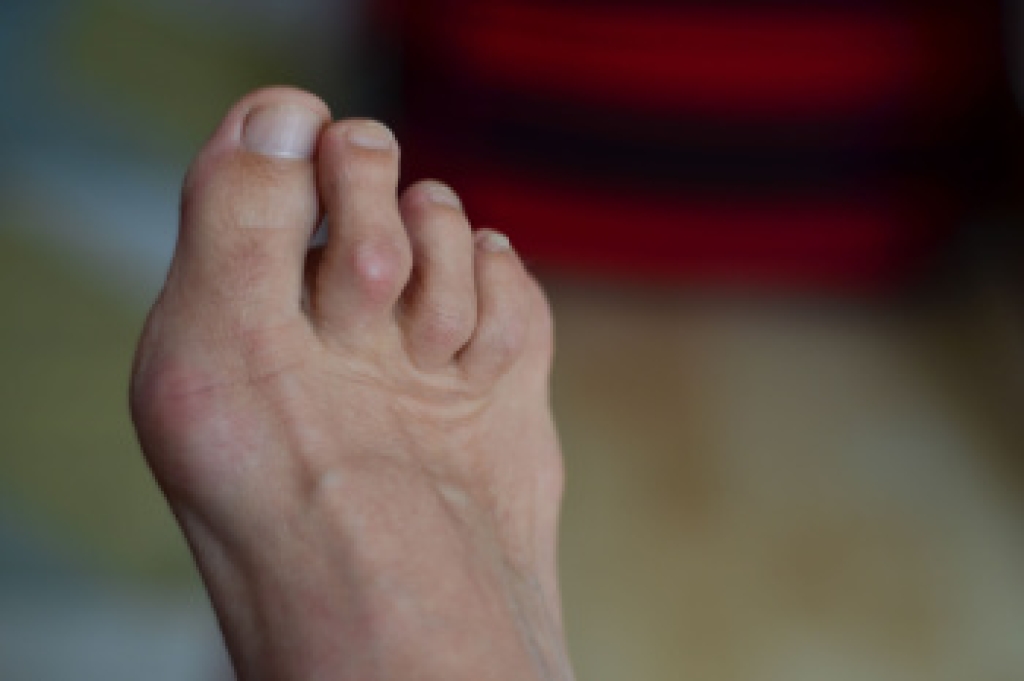
A hammertoe is a toe that bends downward at the middle joint instead of lying flat. This change in position most often affects the second toe, although it can develop in other toes as well. At first, the toe may still move freely, but it can become more rigid as the condition progresses. The abnormal bend can create pressure inside a shoe and cause pain while walking. Corns and calluses sometimes develop where the toe rubs against the shoe. A podiatrist can evaluate the shape of the toe, identify the cause of the deformity, and recommend treatment that improves comfort and function.

Several factors can contribute to a hammertoe. Muscle and tendon imbalance is one of the leading causes because it changes how the toe moves. Tendons are strong bands of tissue that connect muscles to bones and help control movement. Arthritis, previous injuries, and shoes that lack proper support can also increase the risk. Shoes that fit too tightly around the toes can place added pressure on the joints and make the deformity worse. A podiatrist performs a physical examination and checks how well the toe moves. X-rays help evaluate the position of the bones and determine how advanced the deformity has become.

Treatment depends on the severity of the hammertoe and how much it affects daily activities. A podiatrist can recommend custom orthotics to improve foot alignment and reduce pressure on the affected toe. Other treatment options include padding and splints to improve flexibility and support better movement. Prescription medications can also help reduce pain and inflammation. When the toe becomes stiff or other treatments do not provide enough relief, surgery can straighten the toe and improve function. Early treatment helps prevent the deformity from becoming more severe and supports healthier movement. If you have symptoms of hammertoe, it is suggested that you schedule an appointment with a podiatrist for a diagnosis and appropriate treatment.

Hammertoe

Hammertoes can be a painful condition to live with. For more information, contact one of our podiatrists from The Sun Healthcare & Surgery Group. Our doctors will answer any of your foot- and ankle-related questions.

Hammertoe is a foot deformity that affects the joints of the second, third, fourth, or fifth toes of your feet. It is a painful foot condition in which these toes curl and arch up, which can often lead to pain when wearing footwear.

Symptoms

  • Pain in the affected toes
  • Development of corns or calluses due to friction
  • Inflammation
  • Redness
  • Contracture of the toes

Causes

Genetics – People who are genetically predisposed to hammertoe are often more susceptible

Arthritis – Because arthritis affects the joints in your toes, further deformities stemming from arthritis can occur

Trauma – Direct trauma to the toes could potentially lead to hammertoe

Ill-fitting shoes – Undue pressure on the front of the toes from ill-fitting shoes can potentially lead to the development of hammertoe

Treatment

Orthotics – Custom made inserts can be used to help relieve pressure placed on the toes and therefore relieve some of the pain associated with it

Medications – Oral medications such as anti-inflammatories or NSAIDs could be used to treat the pain and inflammation hammertoes causes. Injections of corticosteroids are also sometimes used

Surgery – In more severe cases where the hammertoes have become more rigid, foot surgery is a potential option

If you have any questions, please feel free to contact our offices located in Antioch, Martinez, and Concord, CA . We offer the newest diagnostic and treatment technologies for all your foot care needs.

Read more about What Are Hammertoes?

Working on Your Feet and Protecting Foot Health

Many jobs require standing or walking for long hours each day. Healthcare workers, retail employees, and restaurant staff often spend most of their shift on their feet. This repeated stress can place extra pressure on the muscles, joints, and soft tissues of the feet. As a result, foot pain may develop gradually and begin to interfere with work and everyday activities. Common symptoms include aching, swelling, and heel pain that becomes worse after long periods of standing. Ignoring these warning signs may allow the problem to worsen and make daily movement more difficult. Early evaluation is important because foot pain is often easier to manage before it becomes a long-term problem.


A podiatrist can determine the cause of your discomfort with a thorough examination of your feet and the way you walk. Long hours on your feet may contribute to plantar fasciitis, tendon irritation, or joint pain. Once the cause is identified, a personalized treatment plan can be developed to improve comfort and reduce stress on the feet. Treatment may include custom orthotics, supportive footwear recommendations, or certain medical therapies based on your specific needs. Professional care also helps monitor your progress and reduce the risk of ongoing foot problems that could affect your ability to work.


Professional foot pain treatment, podiatry care, and custom orthotics can help support healthy movement and improve comfort during long workdays. Addressing symptoms early may also help prevent more serious foot conditions from developing. A podiatrist focuses on treating the underlying cause of pain so you can stay active with greater confidence. If standing for long hours is causing foot pain or swelling, it is suggested that you consult a podiatrist for an evaluation and appropriate treatment options.

While working on the feet, it is important to take the proper care of them. For more information about working on your feet, contact one of our podiatrists from The Sun Healthcare & Surgery Group. Our doctors will treat your foot and ankle needs.

Working on Your Feet

Standing on your feet for long periods of time can cause stress and pain in your feet. Your whole body may experience change in terms of posture, back pain, bunions, callouses and or plantar warts. There are ways to avoid these conditions with proper foot care, smart choices and correct posture.

Positive Changes

Negative heeled shoe – Choosing this shoe type places the heel slightly lower than the ball of the foot. These are great for overall foot health. Find shoes that fit you correctly.

Go barefoot – Our feet were not designed to be enclosed for all hours of the day. Try to periodically expose your feet to air.

Eliminate Pain

Foot Exercises – Performing simple exercises, incorporating yoga and doing stretches are beneficial. This will allow increased blood flow to the area and muscles of the foot.

Achilles tendon – Stretching the foot out flat on the floor will relax the calf muscles and tendon. These exercises can be performed almost anywhere. Make sure you add these exercises to your daily regimen. 

With a little bit of this information and knowing more about foot health, you will notice changes. Foot stretches and proper footwear will help with pain and prevent further issues.

If you have any questions please contact our offices located in Antioch, Martinez, and Concord, CA . We offer the newest diagnostic and treatment technologies for all your foot and ankle needs.
Read more about How to Handle a Long Work Day on Your Feet

Connect With Us